National Hardware Gate Latch N166-015 Reviews: Three Scenarios for Buying Hardware
Ask me if a hardware product is good and I'll answer with a different question: What's the job, and what does it cost you if it fails? There's no universal best gate latch, ball valve, or tool set. In my role coordinating rush hardware orders for contractors, property managers, and maintenance teams, I've learned to sort every buying decision into one of three scenarios. The product that saves one client is the same product that wastes another client's time.
Take the National Hardware gate latch N166-015. It's one of those parts people search for by number because they're replacing something that rusted, snapped, or simply got lost in a pile of gate hardware. But before you jump into national hardware gate latch n166-015 reviews, you need to know which scenario you're in.
Here are the three that matter.
Scenario 1: You Need to Fix a Gate Before the Weekend
You have a gate that won't stay closed. Maybe the latch broke. Maybe the screws pulled out. Maybe the gate is dragging on the ground. The simplest decision is to replace the latch. This is the weekend-warrior context where a product like the National Hardware N166-015 makes sense.
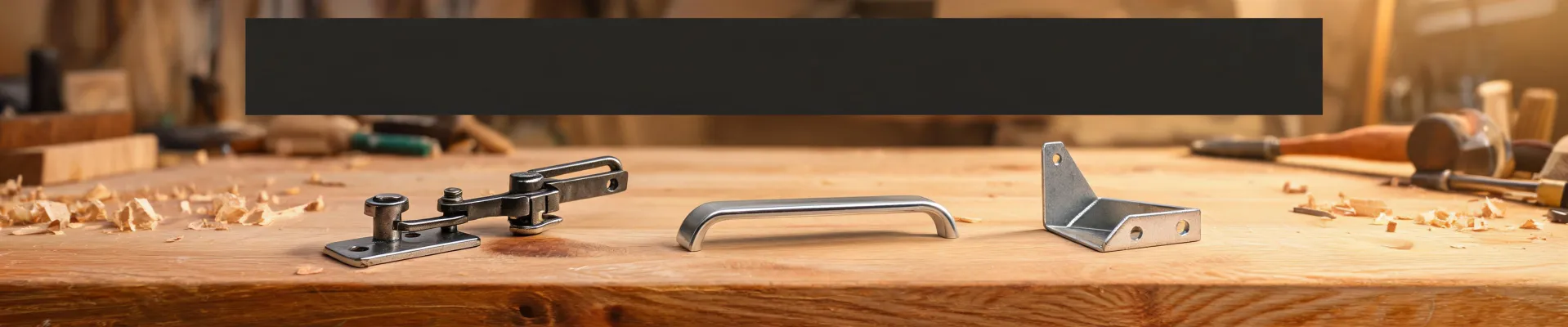
The N166-015 is a surface-mount gate latch. It has a spring-loaded trigger, a steel body, and a strike plate. Reviews mention that it works well on wood gates, that the powder coat holds up better than some cheaper zinc latches, and that the included screws are shorter than you might want. Those comments matter, but only in context.
When I read reviews, I look for people who used the latch on the same material as my gate. A wood fence gate with a solid post? The latch is fine. A flimsy metal tube frame? The mounting holes might not line up. The counterintuitive part: buying a heavier, more expensive latch won't do anything if the gate frame is moving. Fix the frame first, then put on any decent latch.
Also check the included screws. A common complaint is that they are short for a thick gate. Replacing them with longer exterior screws costs about a dollar and saves a return trip. That's the total-cost way of thinking: price matters, but the cost of not getting it right matters more. If you have to drive twenty minutes back to the store, the cheap latch is no longer cheap.
If you're in a hurry, the shipping time matters as much as the price. I've seen people pay extra for a part that arrives in three days when the same latch in a local store would have been installed in an hour. Many national hardware stores stock the N166-015, which means you can actually hold the latch before buying. That's worth a lot if you're not sure about the gate thickness.
Scenario 2: You're Reordering Stock for a Job or a Repair Truck
If you're a contractor, property manager, or facility buyer, you're not buying one latch. You're buying 20 latches, 50 screws, a box of hinges, and maybe a 1/2 ball valve because a tenant called about a leaking laundry connection. This is a different decision entirely.
A 1/2 ball valve looks simple: it's a quarter-turn valve with an opening ball inside. But ball valve covers a lot of territory. Is it rated for potable water? Are the threads NPT or something else? Does the handle have enough clearance in the cabinet? If you choose by price alone, you're ignoring the total cost of a second visit.
I've seen this mistake up close. In my first year, I made the classic specification error: I assumed standard meant the same thing to every vendor. It doesn't. That cost me a $600 redo on a project. Since then, I confirm product numbers, finish codes, and ratings before pushing order.
For this scenario, buying from a supplier that carries the whole range—gate latches, fasteners, valves, hinges—saves time. I'd rather place one order with a reliable distributor than juggle five vendors to save $3 per item. If I need a part today, many national hardware stores or online supply channels can get it to me faster than a specialty source that needs to drop-ship from a warehouse. If you're sourcing through National Hardware, the product line covers most of these staples, so you can consolidate a mixed order without chasing separate catalogs.
The vendor failure in March 2023 changed how I think about backup planning. One critical deadline missed, and suddenly having a second source didn't seem like overkill. For rush jobs, I calculate the worst case: if this part is wrong, what does the delay cost? The upside of ordering from the cheapest bidder is a small savings. The risk is a project shutdown. Most of the time, the correct move is to pay the rush fee and protect the schedule.
In March 2024, a client called at 2 p.m. needing forty gate latches for an inspection the next morning. Normal turnaround was three days. We found a local warehouse with the exact N166-015, paid a $75 rush pickup, and had them on site by 6 a.m. The alternative was a failed inspection and a reschedule fee that would have dwarfed the rush cost.
Scenario 3: You Need a Specialty Tool or Marine Part You Don't Deal With Weekly
Then there's the third scenario: the job is real, but you don't do it often. A reader once asked me: what is a hydraulic jack plate on a boat? It's a mounting bracket that fits between the boat's transom and the outboard motor. It raises or lowers the motor while you're running, which improves shallow-water navigation and helps the boat find its best running angle. It's a great piece of equipment until something leaks.
Servicing a hydraulic jack plate isn't a one-wrench-fits-all job. You need hydraulic fluid, bleed fittings, and sometimes a special spanner or socket. That brings up specialty tools and hand tools products. The right strategy is usually to buy the exact tool if you'll do the job more than once, or rent it if you won't.
For specialty tools and hand tools products, I use the same total-cost rule. A $50 specialty socket seems expensive compared to a $20 wrench set. But if the specialty socket saves you an hour of fighting with a universal joint, it pays for itself in labor. The real cost is your time, the risk of damaging the part, and the chance that you'll have to stop mid-job and go to a second store.
This is where I remind people: a standard hand tool set covers maybe 80% of hardware work. The other 20% is where specialty tools earn their keep. Don't buy a whole marine tool cabinet for one job. But don't improvise with a pipe wrench on a sensitive hydraulic fitting either. If you're not comfortable working on a hydraulic system, the cheapest option is to hire a mechanic. That's a total-cost decision, too. A $200 service call beats a $600 repair after a mistake.
How to Tell Which Scenario You're In
It's not always obvious. Here's the quick filter I use:
- One item, one gate, need it now? That's Scenario 1. Read the reviews for fit issues, then buy the latch and get back to your day.
- Stocking an order for multiple jobs? That's Scenario 2. Check specifications and prioritize total cost, not the lowest unit price.
- Touching a system you don't work with daily? That's Scenario 3. Spend money on the right specialty tool or get someone who has done it before.
The mistake is jumping straight to product reviews before defining the job. National Hardware gate latch N166-015 reviews only help after you know your gate material, your timeline, and what happens if the part doesn't fit. I've made that mistake. Like most beginners, I once approved a quote without checking the specification. The wrong latch arrived for a row of gates, and the callback ate whatever savings the cheap part offered.
So before you buy: what's the scenario, what's the failure cost, and what's the real cost of the solution? That's the only review that matters.

Maren Jorgensen
Maren Jorgensen is an independent hand tool and torque applications analyst covering wrenches, pliers, screwdrivers, hammers, sockets, ratchets, hex keys, and tool sets. She applies ISO 6789-1 torque-tool conformance principles while examining jaw capacity, leverage, fastener engagement, torque range, accuracy, handle geometry, and material hardness. Her practical guides help tradespeople and procurement teams select suitable tools, plan controlled tightening, and compare durability without relying on brand reputation alone.