Can an Angle Grinder Cut Wood? Yes—But Spec Is What Saves the Job
An angle grinder can cut wood—if you fit it with the right blade. That’s the clean answer to “can an angle grinder cut wood?” and it’s true. But I coordinate expedited orders at a national hardware supply company, and after years of rush orders I can tell you the tool question and the purchasing question are the same: are you buying the exact thing, or just the general idea of it? Name and brand don’t save a deadline; spec does.
When someone searches for “national hardware hooks,” “80944 mechanic's tool set,” or “pliers wrench xs 86 04 100 official,” they’re not always sure what the “exact thing” is. That’s fair. The product codes look like gibberish until you need them. I’ll walk through the ones that show up most, plus the angle-grinder question, from the supply side of the counter.
National Hardware Hooks: What “Hooks” Leaves Out
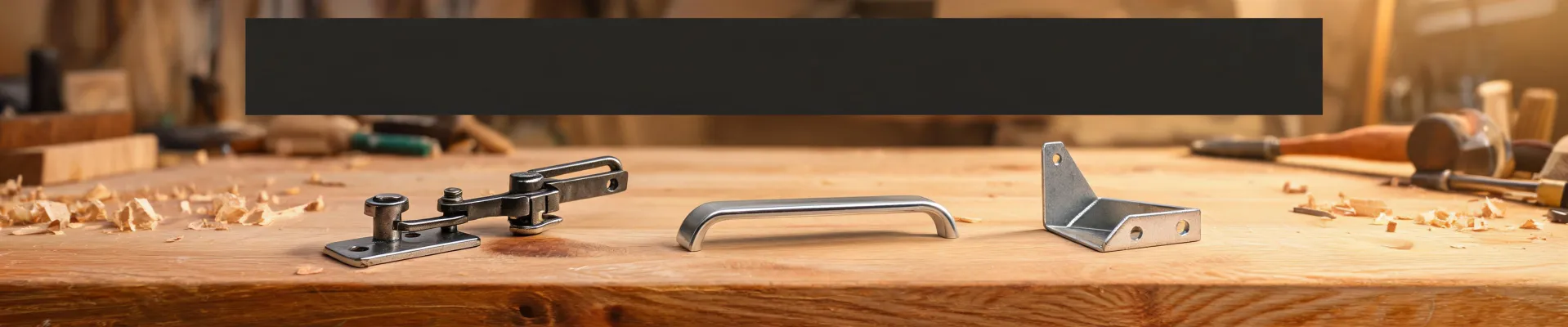
The phrase “national hardware hooks” usually means gate hook-and-eye hardware in our order system. It looks simple—a hook, an eye, a few mounting screws. But a 4-inch hook and a 6-inch hook are not interchangeable. Gate weight, frame material, and hinge placement decide which one actually works.
In March 2024, a fence contractor called at 2 p.m. on a Wednesday. He needed 250 galvanized gate hook-and-eye sets on site by Friday morning for an inspection. If I remember correctly, normal lead time for that quantity was four business days. We had stock, but the pick list said “hooks,” and the first picker pulled the 4-inch version, which looked right in the bin. The gate frame was already drilled for 6-inch hardware. A 30-second phone call caught the mismatch before the pallet got wrapped.
The order arrived early Friday, and the inspection passed. Since then, our rush checklist for hooks includes length, finish, and gate frame material. (Should mention: wood gates and metal tube gates take different fasteners—that detail is easy to miss.) If you stock hooks for a maintenance crew, do that check once up front, and you won’t need an emergency version later.
The 80944 Mechanic’s Tool Set: Contents Beat the Name
The “80944 mechanic’s tool set” is another search I see regularly. Honestly, I’m not sure why this particular set gets more attention than similar kits. My best guess is that it’s the middle option—large enough for real work, small enough for a service truck. Or it was a good deal in a video that everyone watched. Either way, the SKU is not the specification.
When comparing mechanic's tool sets, look at what’s actually in the tray: drive sizes, 6-point vs. 12-point sockets, deep sockets, extensions, ratchet tooth count. Two kits can look alike in a listing photo and be completely different in daily use.
Last quarter alone, we processed 47 rush tool-set orders with a 95% on-time rate. The orders that missed weren’t late shipments—they were spec mismatches. One was written for a mid-size mechanic’s kit, but the crew needed extra deep metric sockets for the equipment they service. The set matched the catalog. It just didn’t match the job.
Pliers Wrench XS 86 04 100 “Official”: The Code Is the Point
Another search that lands here is “pliers wrench xs 86 04 100 official.” I’ve never fully understood why that exact code gets searched so much, but my best guess is that people have been burned by look-alikes that look right in the photo and slip when you use them. A pliers wrench XS 86 04 100 is the compact 100 mm version. The code is how you know what you’re actually getting.
If you’re buying one, ask the supplier to confirm the code on the tool matches the code on the invoice before it ships. That matters for warranty coverage, and it matters when a tool is expected to do precision work. It’s also how we treat small orders. The buyer who orders one pliers wrench for their own toolbox gets the same part-number check as the fleet buyer. Small doesn’t mean unimportant—a lot of our best accounts started with a one-tool order.
Can an Angle Grinder Cut Wood? Yes, With the Right Blade
Now the question that probably brought you here. Can an angle grinder cut wood?
Yes—but only with the right blade. A regular grinding disc is made for metal and masonry. When you push it into wood, it can clog, grab, and kick back. A wood-cutting blade has carbide-tipped teeth and fits the same arbor size (typically 7/8-inch / 22.23 mm on a 4-1/2-inch grinder). There are also dedicated carving discs if you’re doing shaping work.
That said, the honest answer for a B2B buyer is a little less exciting. I’m not going to pretend I’ve never used a grinder to notch a board in a pinch. The surprise wasn’t whether it worked. It was how much more control a circular saw gives you—and how much cleaner the cut. You can use an angle grinder for the occasional cut in a fence board or a trim piece if you keep the guard on, clamp the work, and let the blade reach full speed before you start. For long rips, sheet goods, finish cuts, or anything that needs to be square, get the right saw instead.
When someone on a crew asks whether an angle grinder can cut wood, the real question is usually: what saw are we missing? Sometimes the answer is a circular saw. Sometimes it’s a fresh blade on the saw they already own. Buying the right tool beats improvising with the wrong one every time.
The National Hardware Show: Research, Not Rescue
The National Hardware Show is a useful place to compare new hinge designs, gate hardware, fasteners, and tool innovations in person. It’s where assortment planning starts for a lot of distributors. But it’s a once-a-year event. It can’t fix a shortage that shows up on a Tuesday afternoon.
Use trade shows to build relationships with brands and manufacturers. Use a supplier with actual stock and dependable turnaround for the urgent stuff. They solve different problems.
One caveat before you act on any of this: if you’re a large operation with a tool room, a dedicated buyer, and room to correct mistakes, you can afford to order by name and sort out the details later. If your order goes straight to a job site with no backup inventory, the extra ten-minute spec check is cheap insurance. The smaller your deadline buffer, the more exact the part number has to be.

Maren Jorgensen
Maren Jorgensen is an independent hand tool and torque applications analyst covering wrenches, pliers, screwdrivers, hammers, sockets, ratchets, hex keys, and tool sets. She applies ISO 6789-1 torque-tool conformance principles while examining jaw capacity, leverage, fastener engagement, torque range, accuracy, handle geometry, and material hardness. Her practical guides help tradespeople and procurement teams select suitable tools, plan controlled tightening, and compare durability without relying on brand reputation alone.